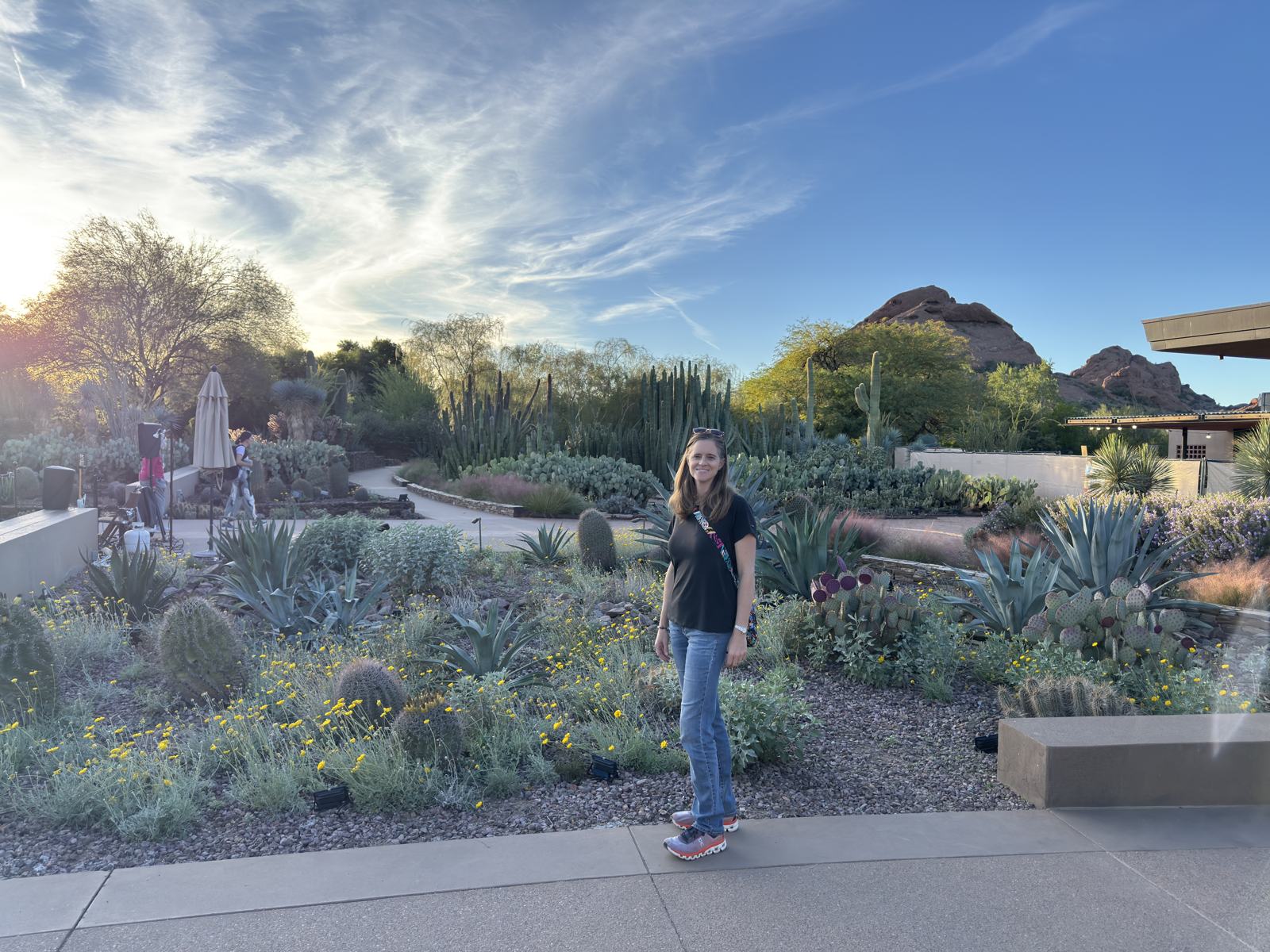
A beautifully designed desert garden in Phoenix that turned out to be so much more than cactus.
🌿 First Impressions
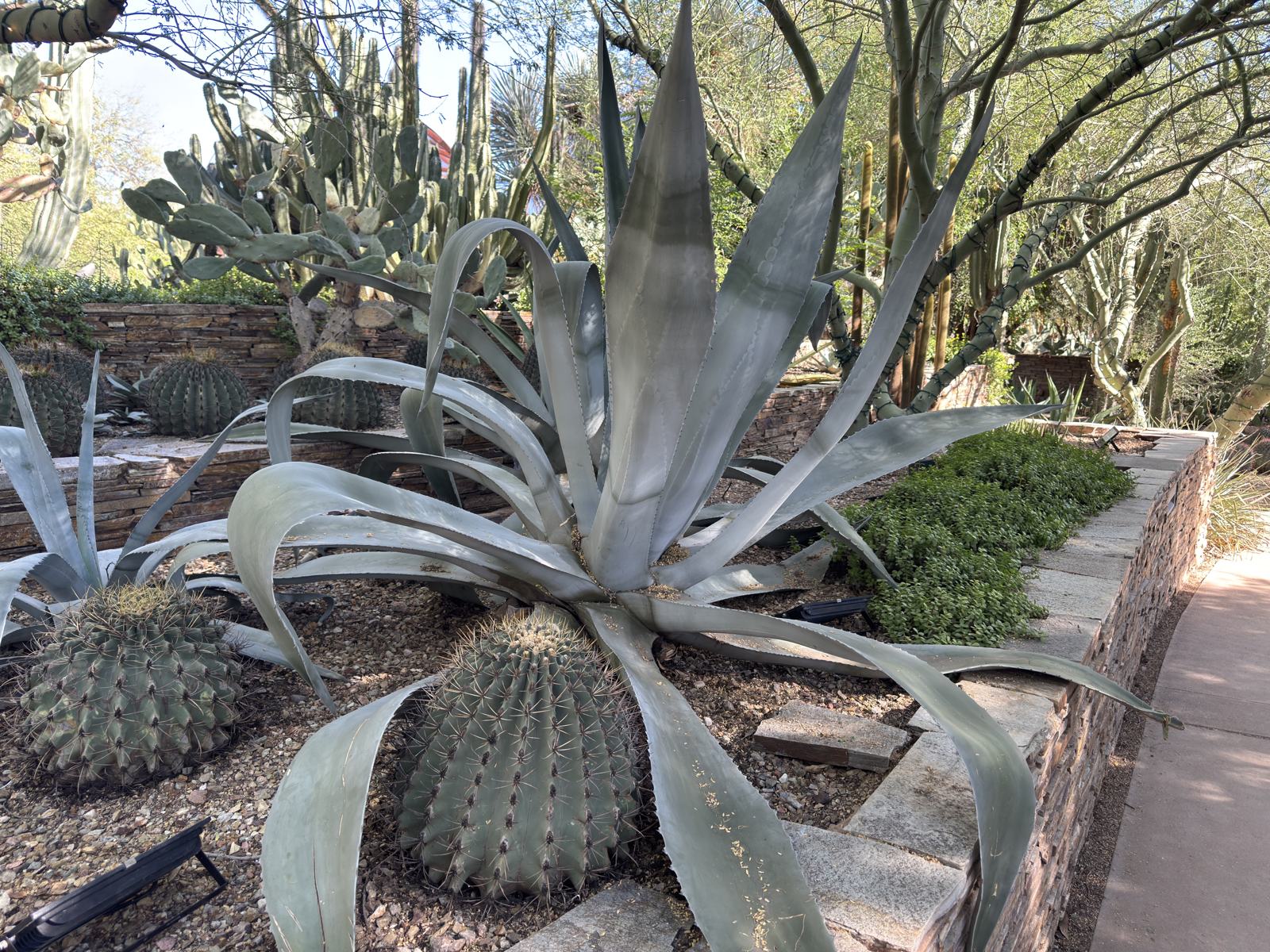
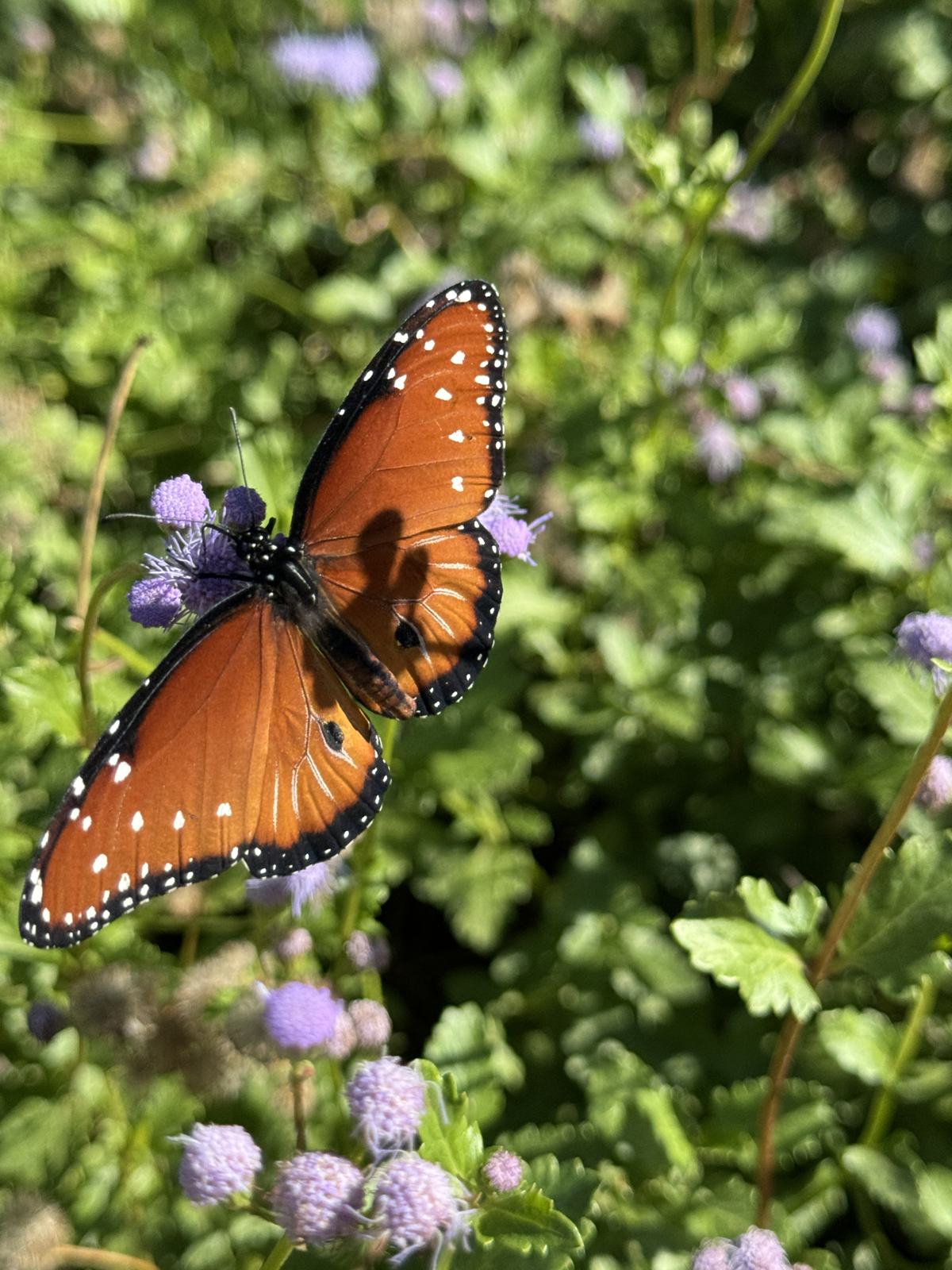
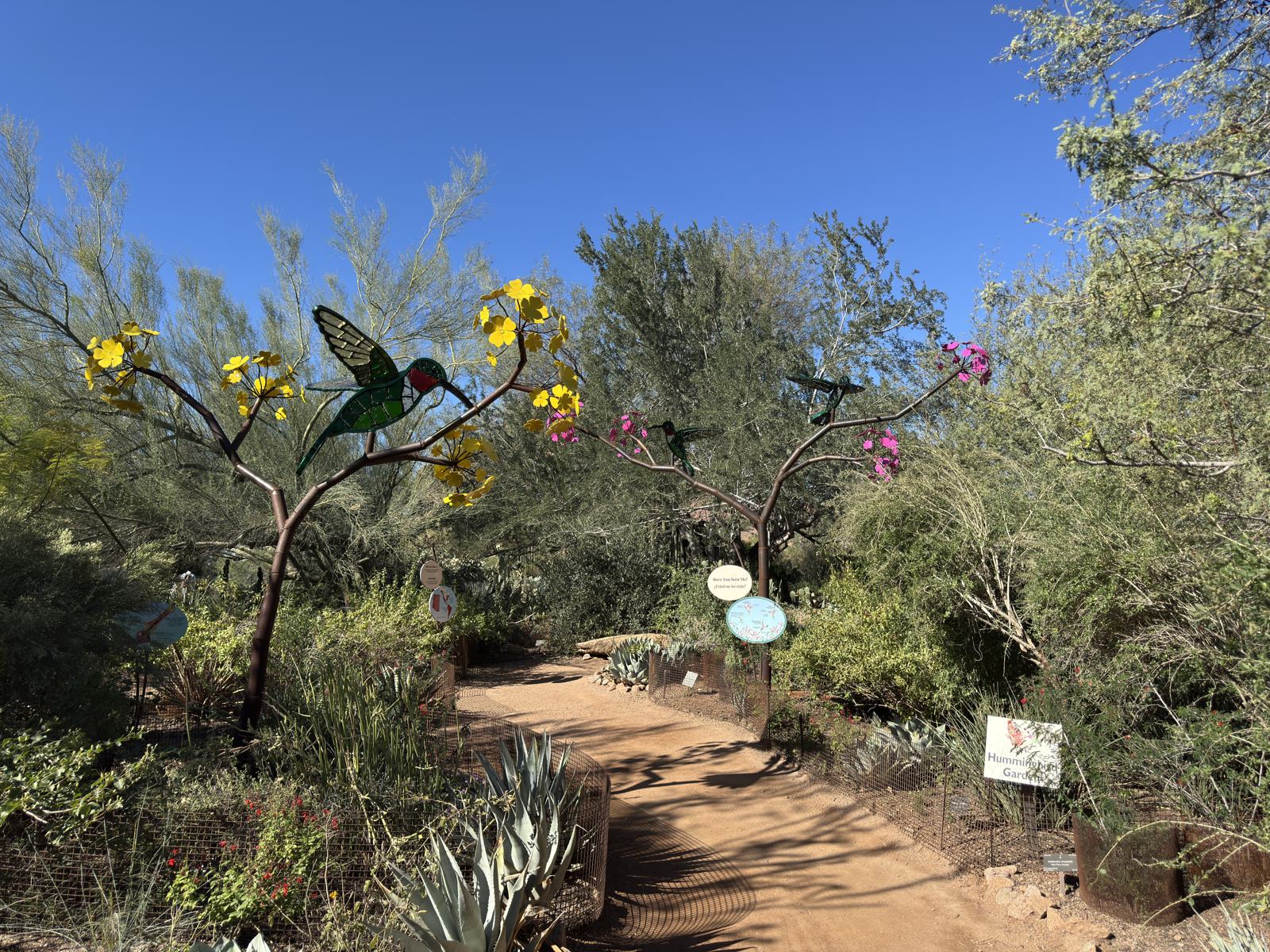
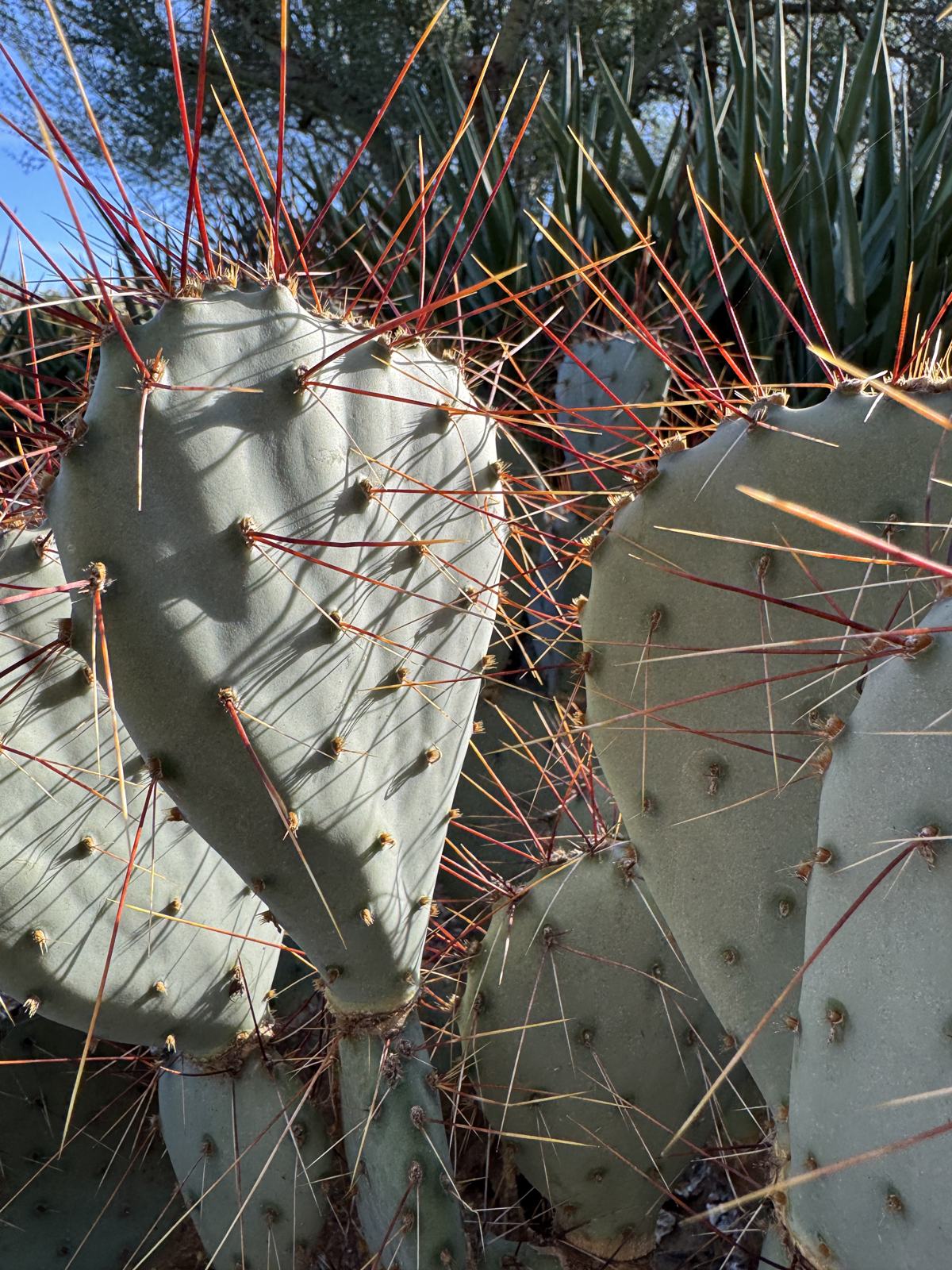
I'll admit I had fairly low expectations for a garden that focused solely on desert plants, so I was delighted to see yellow trumpet flowers, pink lantana, and scarlet sage alongside the expected browns and gray greens, with butterflies and hummingbirds visiting the flowers. There was, of course, a dizzying array of cactus and succulent varieties, but with names like Teddy Bear Cholla, Whale's Tongue Agave, and Hedgehog Pricklypear, they were easy to fall in love with. Even the spines were colorful: red, orange, white, yellow, and sometimes several colors on a single plant.
Some parts of the garden felt downright lush. I imagine the handy-dandy garden irrigation system gives these plants a bit more water than they would get in the wild, but seeing them thrive was a great surprise. If you don't think you like dry landscapes, the Desert Botanical Garden might just change your mind. I know it did for me!
🗺️ The Lay of the Land
First, a quick geography lesson for those of you who, like me, didn't know much about the different North American deserts. This garden sits in the Sonoran Desert in south-central Arizona. The Sonoran also spans parts of southeastern California and the Mexican states of Baja California and Sonora, and it's considered the most varied and "wettest" desert in North America. It has two rainy seasons and receives a whopping 3 to 15 inches of rain a year (please hear the irony in my voice). That extra moisture supports a richer ecosystem than you might expect. The Sonoran is also the only native home of the iconic saguaro cactus. Enough geography; let's get to the garden!
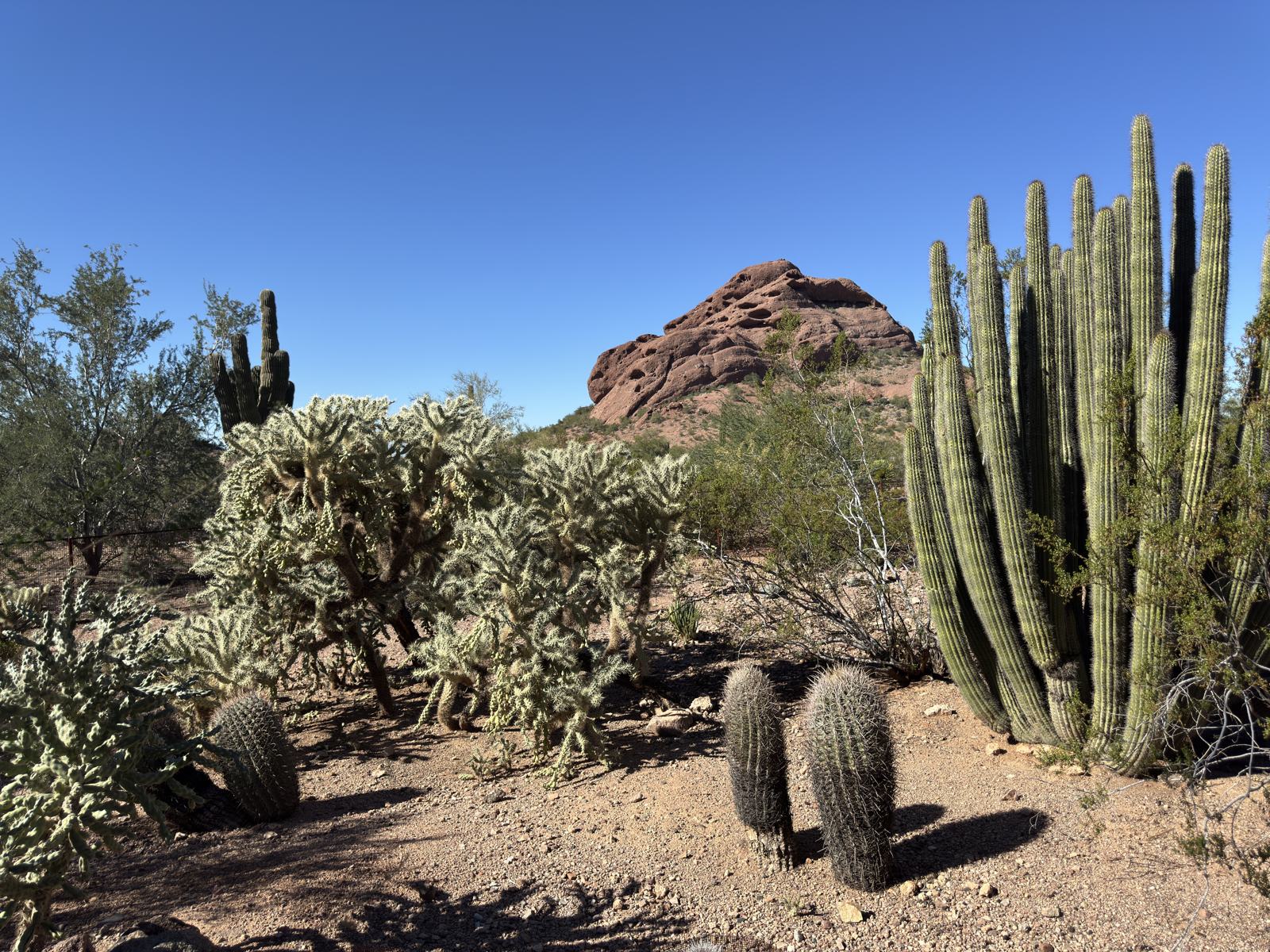
The garden is big: 55 cultivated acres inside a 140-acre space. There are four main sections to explore, each with a walking loop about ⅓ mile long, including the lovely Desert Wildflower Trail. You'll wander between them on the Desert Discovery Trail, which takes you past many smaller gardens and plant "galleries," including the Desert Oasis (think water), the Agave Yucca Forest, the Cactus and Succulent Galleries, and the Heritage Garden.
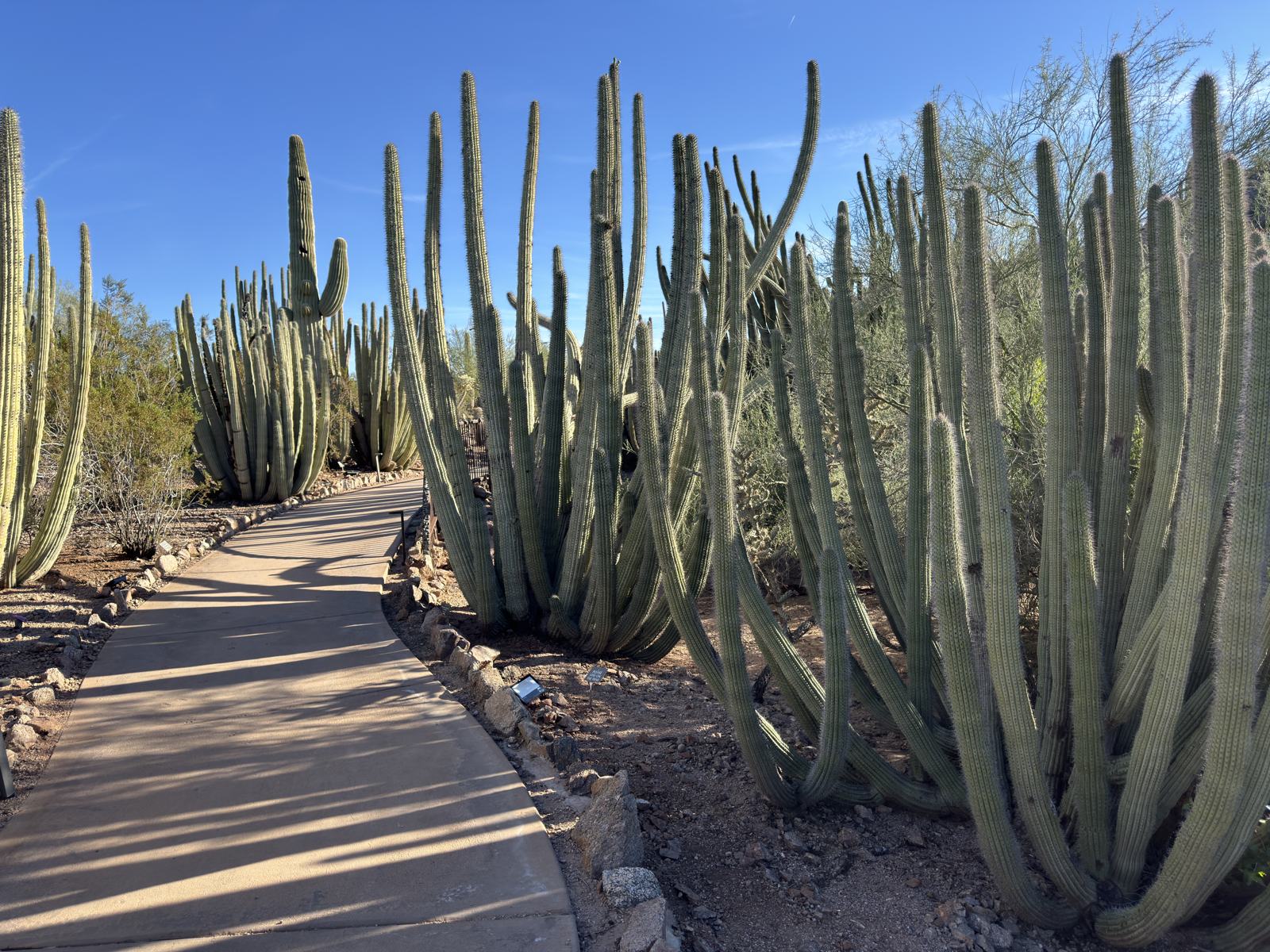
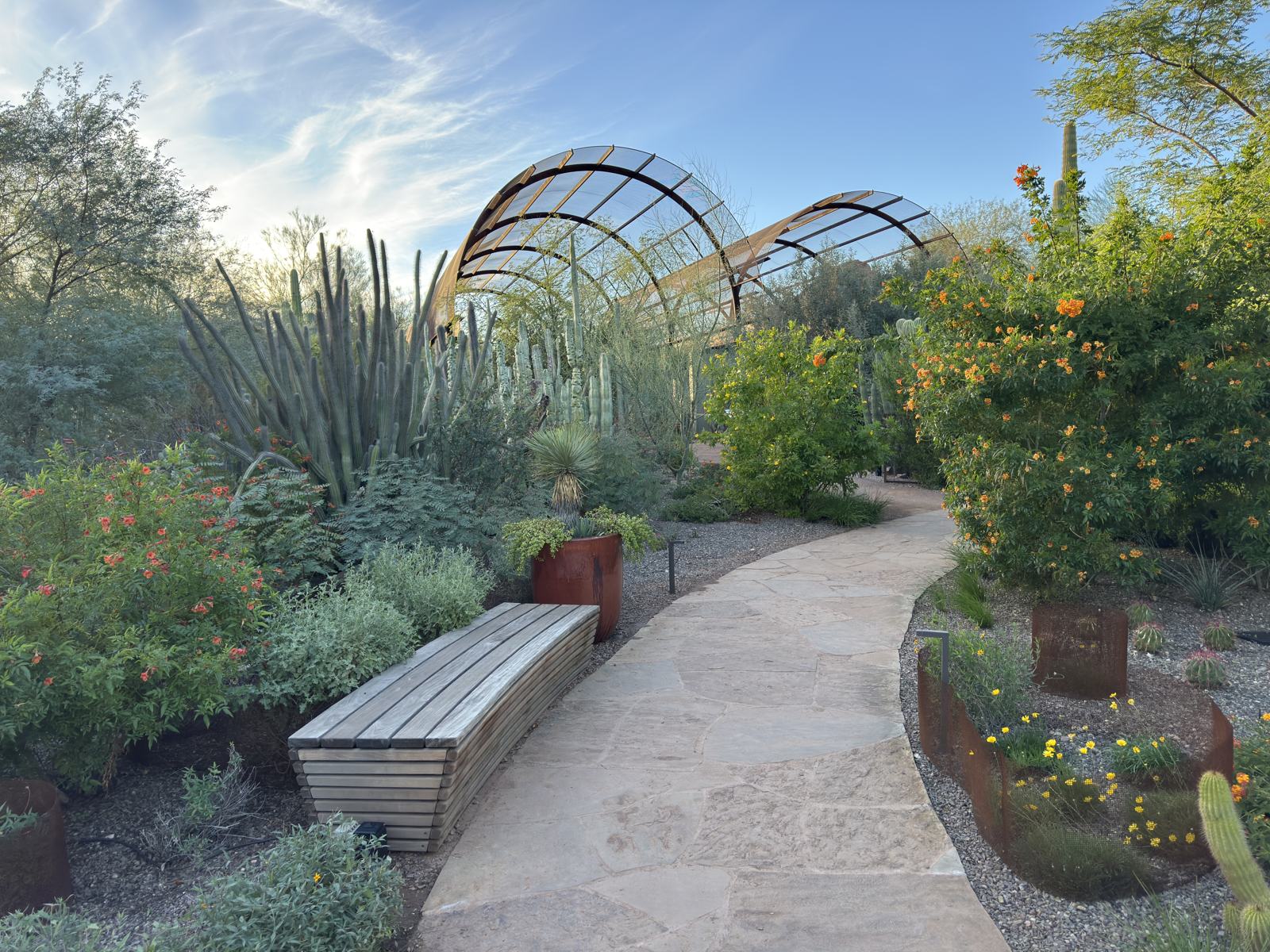
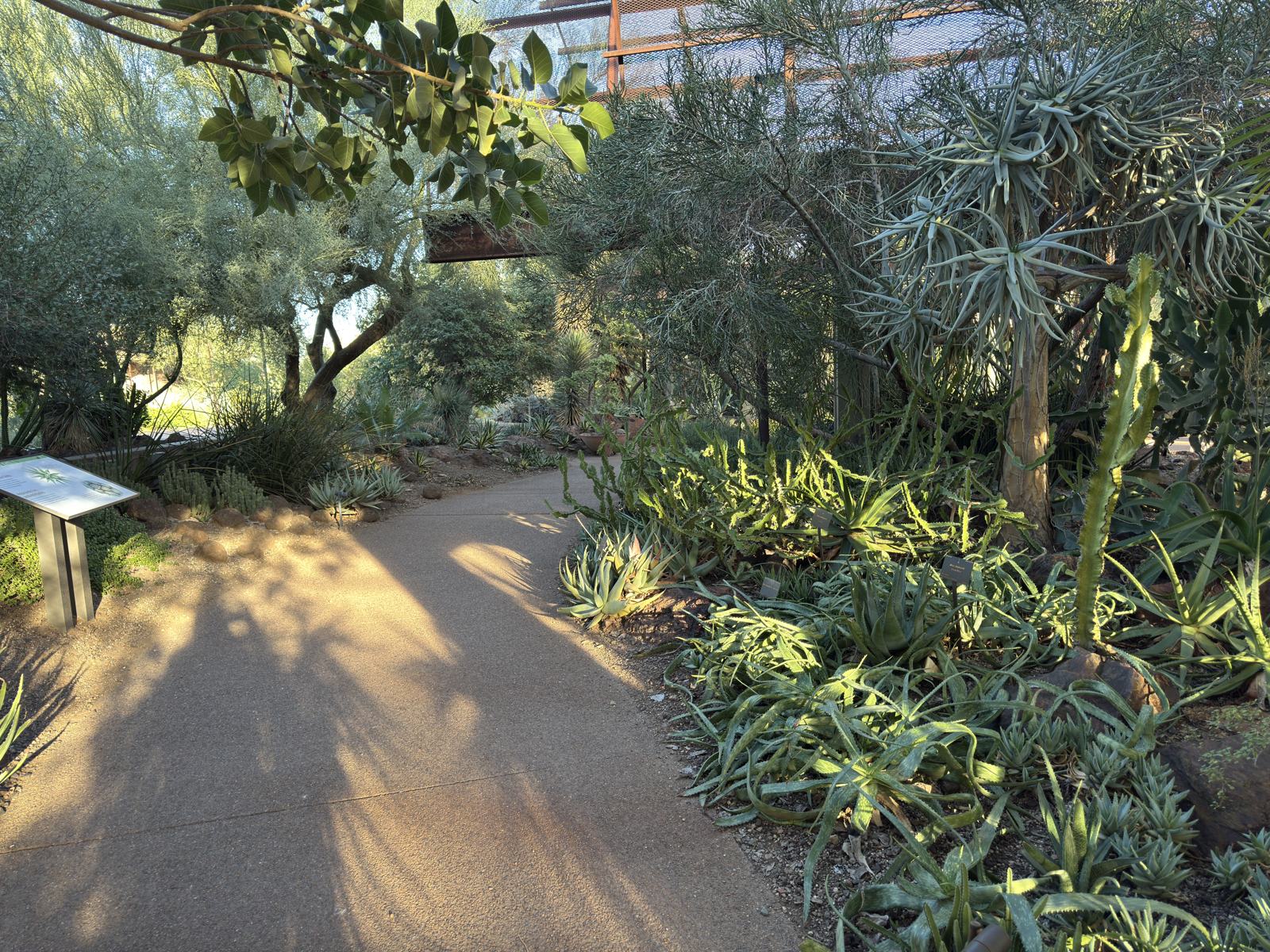
The grounds are immaculate, with patios, bridges, canopies, and stone walls among the beautiful hardscaping. You'll walk plenty of packed, sandy brown trails through the wilder parts of the garden, along with paved paths surrounded by art installations and other thoughtful displays.
🌸 Best Bloom
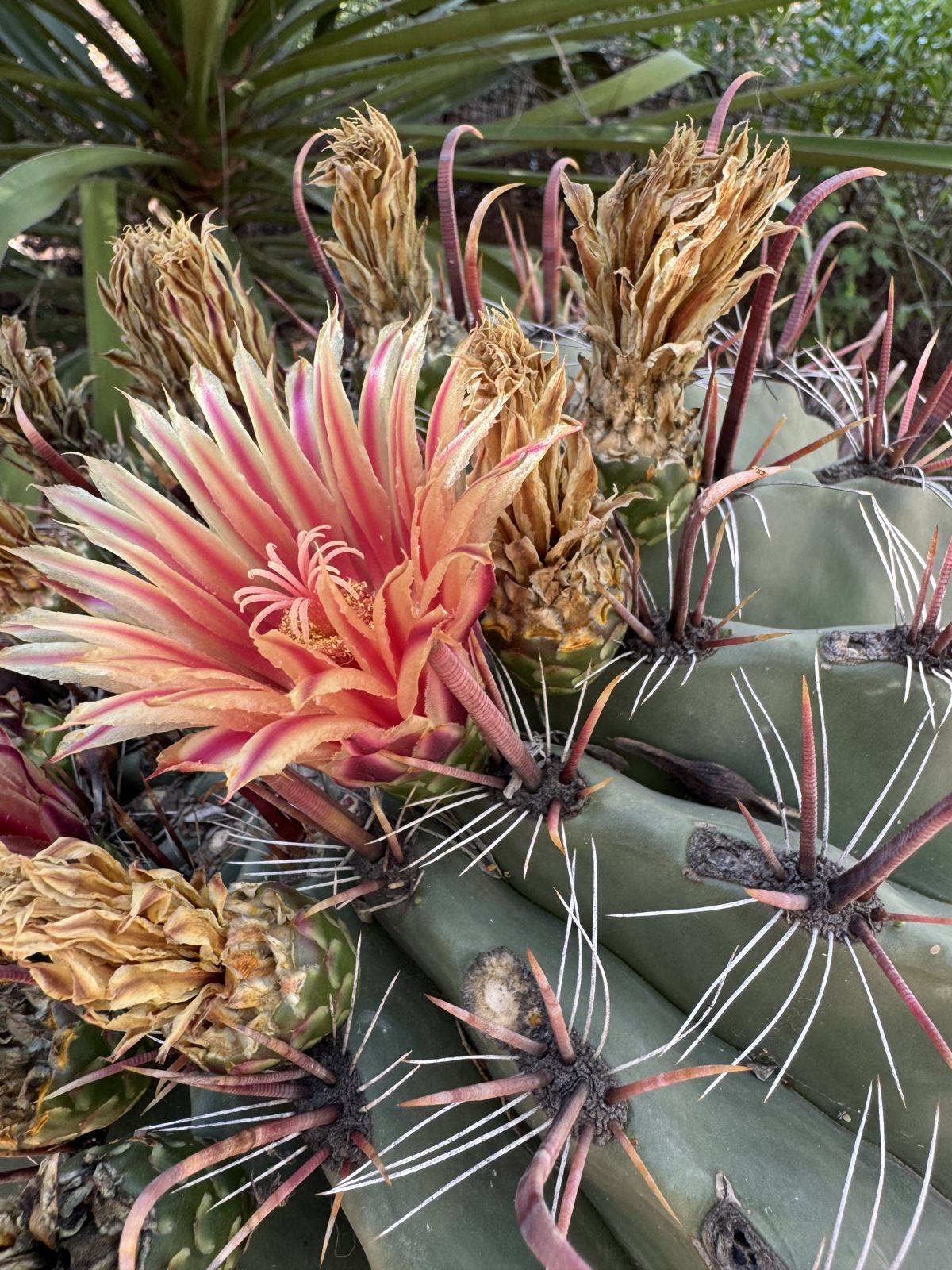
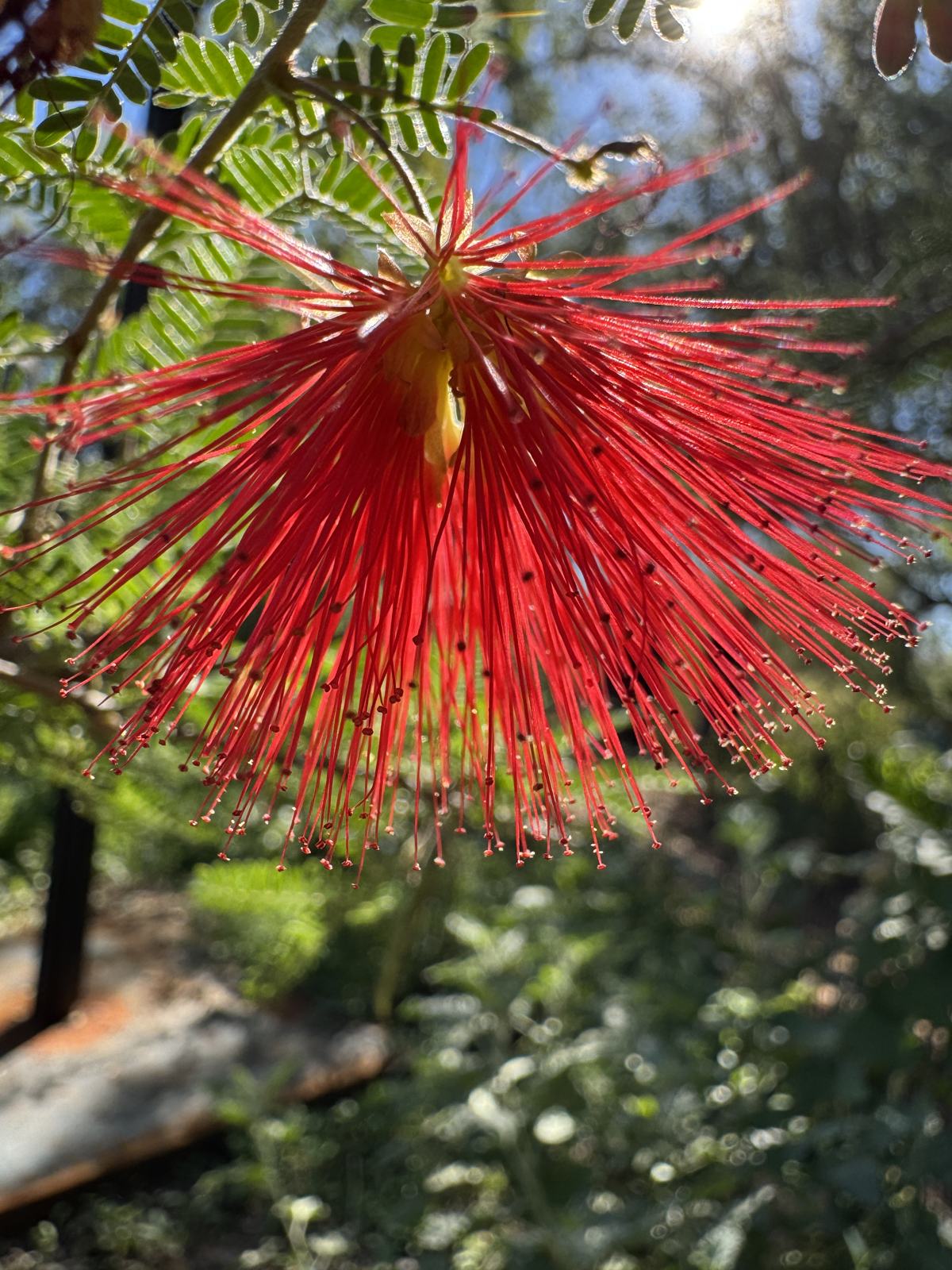
The winner for Best Bloom has to be this barrel cactus flower. November must not be prime cactus-blooming time, because this was the only cactus I saw in bloom, and it was beautiful! The runner-up is the Baja fairy duster, whose wispy red stamens make a captivating bloom.
🌵 My Favorite Plants
- Palo verde tree: Its green bark keeps the tree photosynthesizing, even after it drops its leaves to save water.
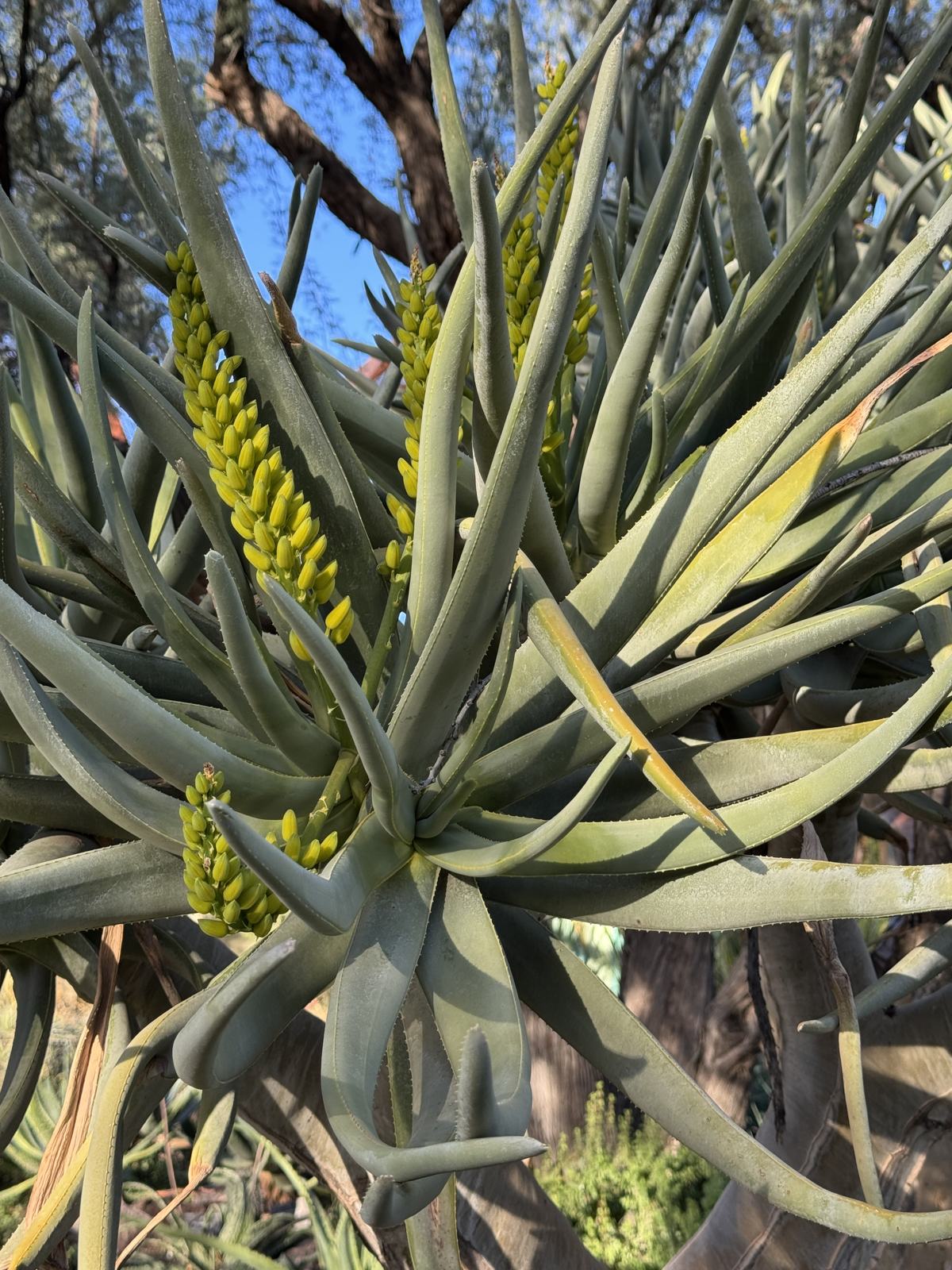
- Quiver tree: A tree-sized aloe from southern Africa, named for the arrow quivers once made from its branches.
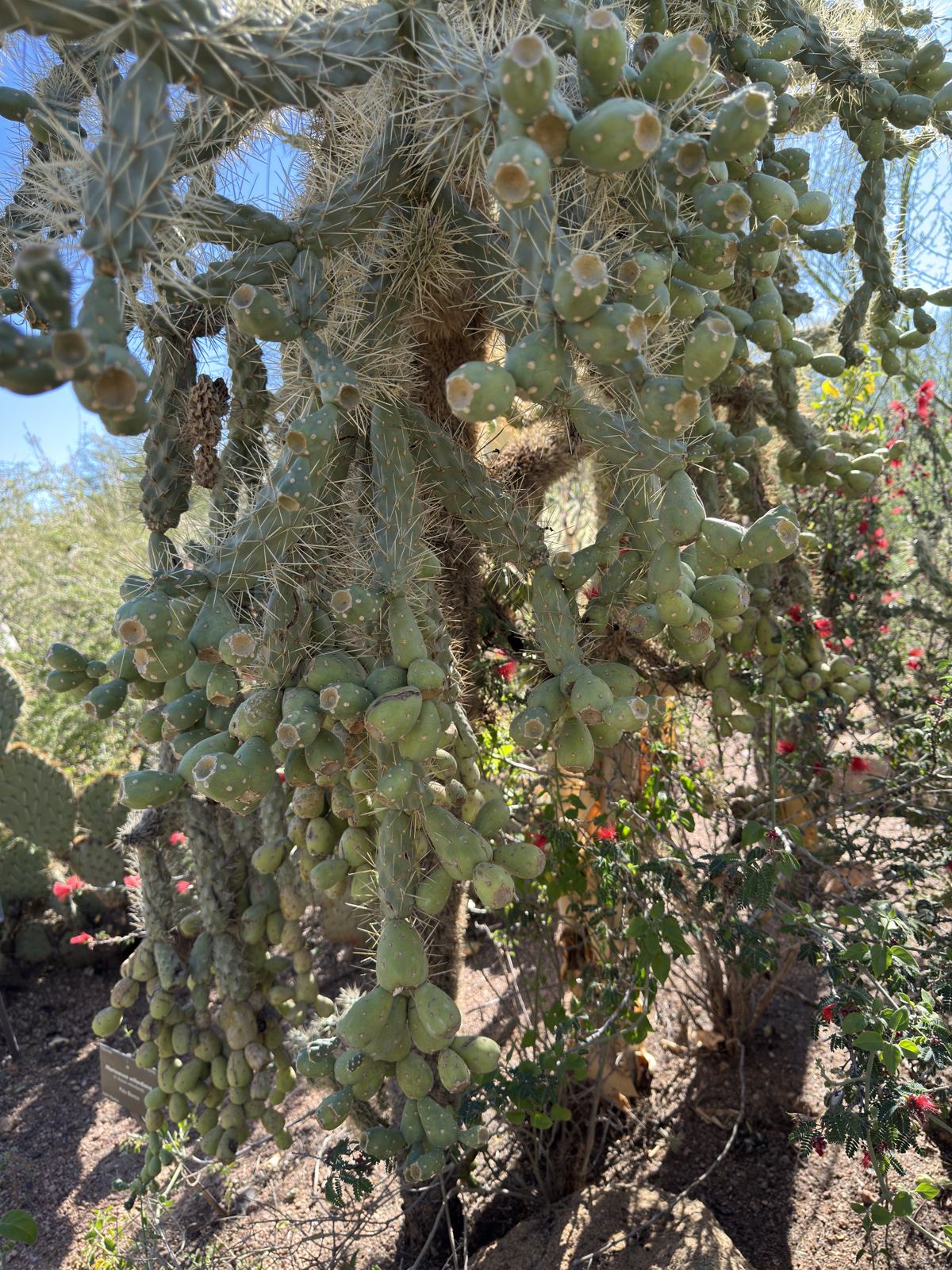
- Chainfruit cholla: Also called jumping cholla, with fruit that hangs in long chains (and spiny bits that seem to leap onto passersby).
🌱 Don't Miss
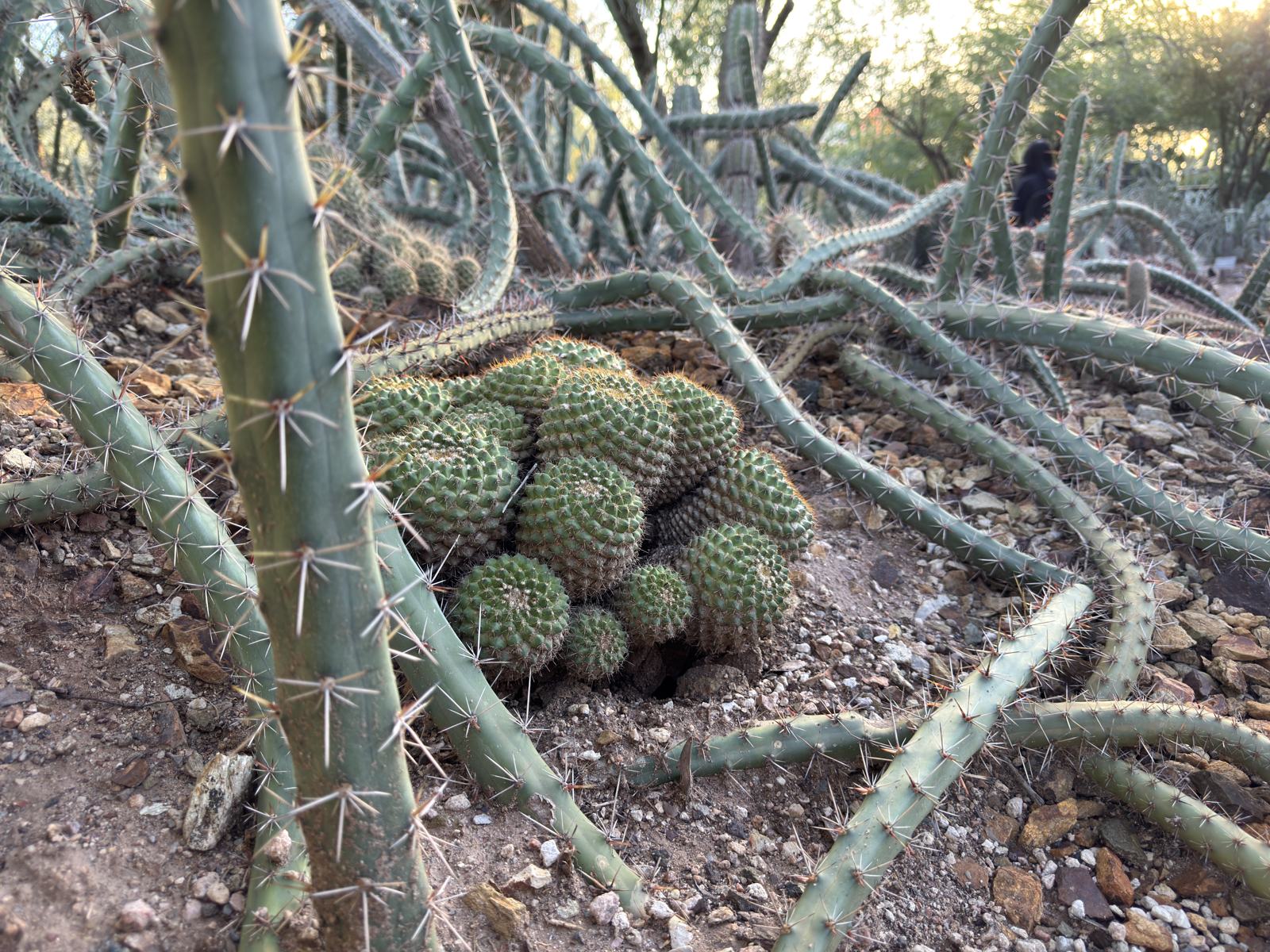
If you've gone counterclockwise through the garden, you'll likely be exhausted by the time you get back toward the exit. Since you've seen SO MANY cacti by then, you may consider skipping the Cactus and Succulent Galleries. Don't miss them! There are many fascinating varieties I hadn't seen anywhere else in the garden, including the "Creeping Devil" cactus, which seemed to have crawled along the rocks to claim its territory.
You'll also finally be able to answer the question that's surely been pestering you all along (wink): "What makes a cactus a cactus?" Well, the only thing I can tell you, with a chuckle, is areoles. Yep, find the sign in this section of the garden. It's a little homework assignment for you. And for the real plant nerds, check out the information about the convergent evolution of agaves in the Americas and aloes in Africa.
🍂 What Didn't Quite Bloom for Me
My visit to the RAF Exhibit Gallery was rather uninspiring. The theme was night-blooming flowers, which sounded amazing, but the room was simply a dark space with LEDs poking out of colorful murals on the walls. Maybe my expectations were high because of the impressive landscaping everywhere else, but this space was underwhelming. It's quite possible the exhibit rotates, and the air-conditioned room could be a nice break on a hot day. Take it or leave it — your call.
💡 Things to Know
- The garden is often open into the evening, and after dark it transforms into a glowing wonderland. Paths are lined with strings of white lights, and spotlights wash the plants in purples, reds, yellows, and blues. The garden felt like a different place, and my husband and I were treated to musicians performing throughout the grounds against an otherworldly desertscape. Evening hours, lights, and music vary, so check the events calendar on the garden's website before you go; it also lists rotating art exhibits. You could easily spend the morning, take a break, and come back for the evening. Just ask about re-entry when you buy your ticket.
- Admission is pricey: over $30 per person when I visited, which felt like a splurge. If you've read a few of my posts, you've probably realized I'm a frugal gal, so when I say this garden was worth the price, you'll know I really loved it!
- The garden hosts a seasonal butterfly exhibit in the fall. I just missed it, and I would have loved to see it! Check the website for the exact dates.
- Locals told me November is the beginning of the time of year they live for: it has finally cooled off, but the skies are still blue and the temperatures are comfortable.
- There's a nice restaurant at the front of the garden that would make a fun lunch or dinner spot, and a grab-and-go café at the back with decent food and drinks. A new coffee shop near the entrance was set to open shortly after my visit.
🌍 Final Reflections
I'm generally a lush garden lover, but the Sonoran Desert has earned a special place on my list of favorites. I highly recommend a visit to the Desert Botanical Garden, which will tire out your feet but fill up your plant-loving heart!